Our Services
Residential Home Inspectionsin Eagle River, WI
Buying, selling, or checking a house? Canadeo Home Inspections provides residential home inspections in Eagle River, WI to help you learn more about the home before making your next property decision.
10+Areas Evaluated
PhotoDocumented Report
WI + MINorthwoods Coverage
Whole-Home Review
Major areas checked throughout
Clear Findings
Know what was observed
Buyers & Sellers
Useful on either side
Northwoods Homes
Eagle River & nearby areas
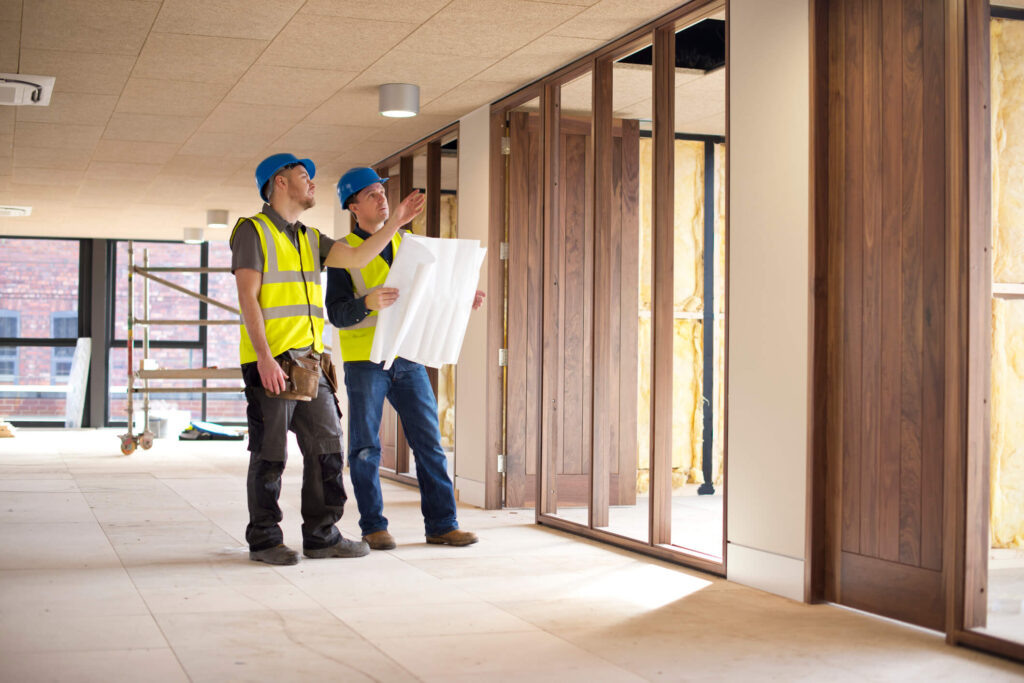
Residential
A Report Worth Coming Back To
Property observations organized with photos and easy-to-follow notes.
Overview
Professional Home Inspection Services in Eagle River, WI
Fresh paint, updated flooring, and a tidy kitchen can make a house look ready to move into. A residential inspection looks past those first impressions to learn more about the systems and components that make the property work.
Different parts of a house age at different rates. A roof may show years of exposure while newer mechanical equipment looks very different. Drainage patterns can leave clues around the foundation, and renovations may introduce materials or components from several periods. Canadeo looks at the house as it stands on inspection day and records notable observations.
The result is useful property information you can refer to after the appointment. Buyers can consider findings before their next step, while sellers and existing owners can use the inspection to better understand areas that may deserve further evaluation or future maintenance.
- Buyers, Sellers & Owners
- Major Home Systems
- Organized Inspection Report
- Additional Testing Options
Who It's For
A Home Inspection Can Be Useful at More Than One Stage
People book inspections for different reasons. You may be approaching closing, getting ready to list, reviewing a house you already own, or guiding a client through a real estate transaction.
Homebuyers
Learn more about the house before your inspection period ends and use the information when considering repairs, specialist evaluations, or other next steps.
Home Sellers
A pre-listing inspection in Eagle River, WI can reveal items before the property reaches buyers, giving you more time to consider what happens next.
Current Homeowners
Get an updated view of the house when planning improvements, budgeting for future work, or reviewing systems that have been in service for years.
Real Estate Agents
Give clients an independent property report they can refer to when discussing observations and moving through the next stage of the transaction.
What We Inspect
Major Areas Included in a Residential Property Inspection
A residential property inspection in Eagle River, WI covers the main readily accessible systems and components of the house. The exact scope can vary according to the property.
01
Roof, Exterior & Grounds
Roofing, gutters, siding, trim, windows, exterior doors, decks, walkways, grading and other applicable components around the house.
02
Structure & Foundation
Foundation areas, visible framing, basements, crawlspaces and other accessible structural components supporting the home.
03
Attic & Insulation
Accessible attic spaces, insulation, ventilation, roof framing and other inspectable components above the living areas.
04
Heating & Cooling
Installed furnaces, boilers, heat pumps, cooling equipment, distribution components and applicable venting systems.
05
Interior & Built-Ins
Walls, ceilings, floors, doors, windows, stairs, railings and applicable permanently installed interior components.
06
Electrical & Plumbing Systems
Electrical panels, representative outlets, visible wiring, fixtures, exposed piping, drainage and water-heating equipment.
07
Garage & Outbuildings
Applicable attached or detached garages, doors, openers and supported outbuildings included with the property.
08
Safety Items
Visible egress conditions, stairs, railings, smoke alarms, carbon monoxide alarms and other applicable safety-related components.
In Detail
What Are We Actually Looking For?
Checking a list of components is only one part of the inspection. We also look at how those components appear to be aging, working together, and responding to the conditions around the house.
Signs of Age and Wear
Every component has a history. We look for visible deterioration, weathering, damaged materials and other clues that show how parts of the home have aged. An older component is not automatically defective, but its observed condition can give you useful context when thinking about future maintenance or further evaluation.
Evidence of Moisture
Water can leave clues long after the area looks dry. Staining, damaged materials, deterioration and other moisture-related observations may appear around basements, crawlspaces, ceilings, exterior surfaces or other parts of the home. Where water goes can be just as important as where the evidence first appears.
Changes Made Over Time
Homes often change after they are built. Finished basements, replaced equipment, additions, updated wiring and other alterations can introduce components from different periods. We note observable conditions associated with these areas when they fall within the inspection scope rather than assuming every part of the house is original.
How Components Operate
Where appropriate, inspectable components are operated using normal controls to see how they respond at the time of the visit. This provides a point-in-time observation rather than a prediction of future performance. Conditions that prevent normal operation may also be documented in the report.
Installation & Material Concerns
Sometimes the question is not whether something works today, but what is visible about the way it has been installed or the condition of the material itself. We note observable concerns that may warrant repair, correction, monitoring, or additional evaluation by an appropriate professional.
Conditions That Need Another Look
A home inspection does not replace every specialist. When an observation falls outside the scope of a visual inspection or needs deeper diagnosis, the report may recommend evaluation by an appropriate contractor, engineer, electrician, plumber, HVAC professional, or other qualified specialist.
Maintenance Clues
Not every finding represents a major problem. Some observations point to ordinary upkeep that can help preserve the property. Separating maintenance items from more significant findings gives you a more useful picture of what may simply need routine work and what deserves further discussion.
Safety-Related Observations
Some visible conditions deserve consideration because of how people use the home rather than because something is damaged. Applicable observations involving stairs, railings, egress, alarms and other safety-related components may be noted so they are easy to identify in the final report.
Local Focus
Home Inspections for NNorthern Wisconsin Living
Northwoods houses go through long heating seasons, freezing temperatures, snow accumulation and spring runoff. Seasonal properties may also remain empty for extended periods. Those conditions can leave clues throughout a house that are worth considering during an inspection.
Local property use gives context to what we see on inspection day, especially when a home has experienced many Wisconsin winters.
- Snow & Winter Exposure
- Attic Airflow
- Basement Moisture
- Long Heating Seasons
- Surface Water Management
- Seasonal Property Use
- Cold-Weather Plumbing
- Exterior Stairs & Decks
A House Experiences More Than Inspection-Day Weather
A summer appointment cannot recreate January, but the property may still show clues from previous seasons. We consider those observations in the context of Northern Wisconsin living.
Eagle River · Rhinelander · Minocqua
Your Report
Take the Inspection With You After You Leave
A few hours at a property can produce a lot of information. Your report puts those observations into an organized format, so you do not have to remember everything discussed during the appointment.
Notable items include enough context to help you locate and understand them later. Routine upkeep can also be separated from observations that may warrant repair or further evaluation, making the report more practical when planning what to do next.
- Findings Grouped by Area
- Supporting Photographs
- Easy-to-Read Descriptions
- Safety Observations
- Further Evaluation Items
- Maintenance Notes
What's Inside
Your Inspection Report at a Glance
- Summary of notable findings
- Observations arranged by system
- Captioned property photographs
- Safety-related items
- Further evaluation recommendations
- General maintenance notes
- Applicable testing results
How It Works
From Scheduling to Your Finished Inspection Report
01
Share the Property Details
Tell us about the house, your timeline, and any additional inspection or testing options you are considering.
02
We Inspect the Home
The inspector works through the included areas and checks applicable systems using the inspection process.
03
Discuss Key Observations
Important findings can be explained so you know what was observed and where it appeared.
04
Review Your Results
Use the completed report when discussing the property with your agent or appropriate trade professionals.
Why Canadeo
What Makes Our Residential Inspection Process Different?
The value of an inspection is not simply the number of items checked. How the house is approached, how observations are explained, and how useful the information remains afterward all matter.
01
The House Gets Its Time
We move through the inspection methodically instead of trying to turn a property review into a quick walkthrough.
02
Findings Stay in Perspective
Normal wear, maintenance needs and more notable observations are not treated as though they all mean the same thing.
03
The Property Comes First
Our role is to inspect and report, not decide whether you should buy the house or walk away from it.
04
More Questions Can Be Tested
Additional services are available when radon, indoor conditions, private systems or well water require information beyond the standard inspection.
05
Familiar With Local Homes
Canadeo works with year-round residences, older houses, cabins and other property types commonly found throughout the Northwoods.
06
You Can Ask Later
If something makes more sense after you have read the report twice, you can still ask for clarification about an observation.
Add-On Testing
When a Standard Home Inspection Cannot Answer Everything
Some property questions require testing rather than observation alone. Additional services can provide information about conditions that cannot be determined through a standard visual inspection.
Radon Testing
Radon testing in Eagle River, WI measures indoor radon levels because this gas cannot be identified by sight or smell during the home inspection.
Mold & Air Quality
Mold testing in Eagle River, WI may provide additional information when moisture history, staining, odors, or other circumstances raise questions inside the home.
Septic & Well
A well inspection in Eagle River, WI may be appropriate for supported homes that depend on a private water system rather than municipal utilities.
Water Testing
Private well water testing provides information about water quality that cannot be determined simply by inspecting plumbing fixtures or visible well components.
Not sure what applies to your house?
Tell us about the property, utilities, and anything that has already raised a question. We can explain the available service options.
FAQs
Residential Inspection Questions
Buying, selling, or checking a home can bring up questions before the appointment even begins. Here are answers to some of the things clients commonly ask.
Have a question about your house?
Call (906) 282-5969 and tell us about the property.
How long does a residential inspection take?
Timing depends on the home’s size, age, construction, condition and selected additional services. A larger or more complex property generally requires more time than a smaller house.
Should I attend the inspection?
Ask about attendance when booking. Being available at the appropriate point can give you an opportunity to discuss notable observations directly with the inspector.
What isn't included in a home inspection?
A standard inspection is visual and non-invasive. It cannot determine conditions hidden inside walls, beneath flooring, underground or in other areas that cannot be accessed without destructive investigation.
How should I prepare the home as a seller?
Keep important access points clear where possible, including the electrical panel, heating equipment, water heater and attic entrance. This allows more of the included components to be reached.
When do I get the report?
Your report is prepared after the property visit and brings the inspection observations together in an organized format for you to review.
What if the inspection finds problems?
A finding gives you information rather than making the decision for you. Some observations may warrant discussion with your agent or further evaluation by an appropriate specialist.
Do you inspect older homes and cabins?
Yes. Canadeo works with older residences, cabins and other supported residential properties throughout the Northwoods service area.
Can you inspect a home in winter?
Yes. Winter inspections can be performed, although snow, ice and freezing conditions may prevent access to certain exterior areas or components.
Do you repair the issues you find?
Canadeo provides inspection and reporting services. Repairs, specialist diagnosis and project pricing should be discussed with the appropriate trade professional.
What areas do you serve?
Canadeo serves Eagle River, Rhinelander, Minocqua, St. Germain, Tomahawk and Iron Mountain, MI, along with supported properties throughout the surrounding service area.
Ready When You Are
Schedule Your Residential Home Inspection.
Serving Eagle River, Rhinelander, Minocqua, St. Germain, Tomahawk and Iron Mountain, MI.